Thailand is a popular destination, known for its delicious food, rich culture and beautiful nature. But its socio-political situation and foreign policy position are not well understood. Beneath the surface, tensions are simmering in the Land of Smiles.
In November & December last year, our team had the opportunity to work from Bangkok. While in the colorful Thai capital, we had the opportunity to meet with key contacts and attend some important events. Among the events were a talk by Thai Foreign Minister, Sihasak Phuangketkeo, who outlined Thailand’s challenging foreign policy landscape; and also a press conference by the Thai Armed Forces on the border conflict with Cambodia, which shed new light on the evolving border situation.


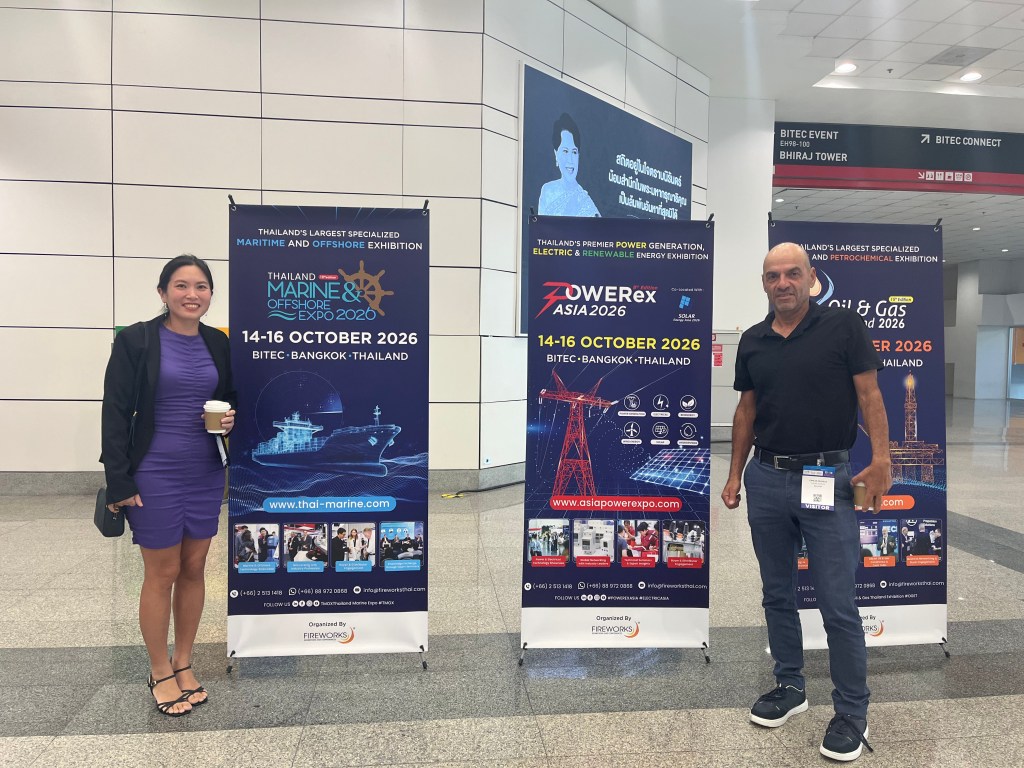
We also attended two private sector conferences; the “3-in1 Marine, Oil & Gas, Power” expo, and Digitech Asean Thailand, which helped to deepen our understanding of the current Thai business landscape and technological development trends.
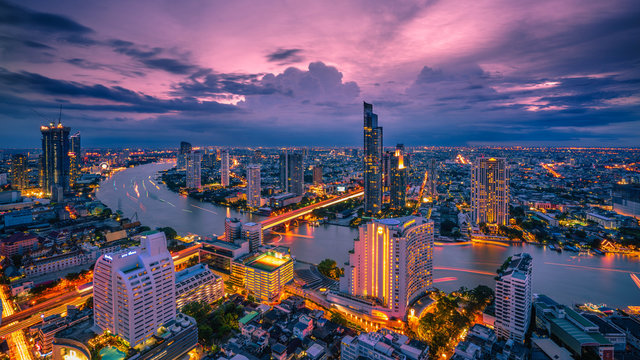
Operating in Thailand gave us an immersive perspective, allowing us to better advise clients navigating the country and region. Thailand’s phenomenal development since the 1950s is clearly indicated by Bangkok’s sophisticated skyline. The country has established a strong manufacturing base and vibrant tourism sector, and has recently attracted significant foreign investment in data centers and the broader high-tech sector.

Today, Thailand faces a complex set of security, economic, and political challenges. Key among its security concerns are the vast scam networks operating along its borders and a persistent kinetic border conflict with Cambodia. Despite mediation by the U.S. and Malaysia, peace remains fragile. While a ceasefire followed the clashes of December 2025, rising nationalist sentiments in both nations continue to threaten stability.
These multiple challenges put Thailand in a tricky position, as it is now flanked by conflicts on either side of its borders – Myanmar in the West, and Cambodia in the East!
While Thailand navigates a difficult international landscape, its domestic landscape is perhaps even more fractured. For over a decade, the state has struggled to contain a separatist insurgency in its southern provinces, while at the same time dealing with the chronic instability of the central government.
This political turbulence is underscored by the fact that three different prime ministers have held office in only the last two years. The most recent downfall involved Paetongtarn Shinawatra, the daughter of the divisive political figure Thaksin Shinawatra. Her tenure ended abruptly after a leaked phone call with Cambodia’s Hun Sen. Accused of betraying national sovereignty during their discussion of a border dispute, she was ultimately ousted by the Constitutional Court.
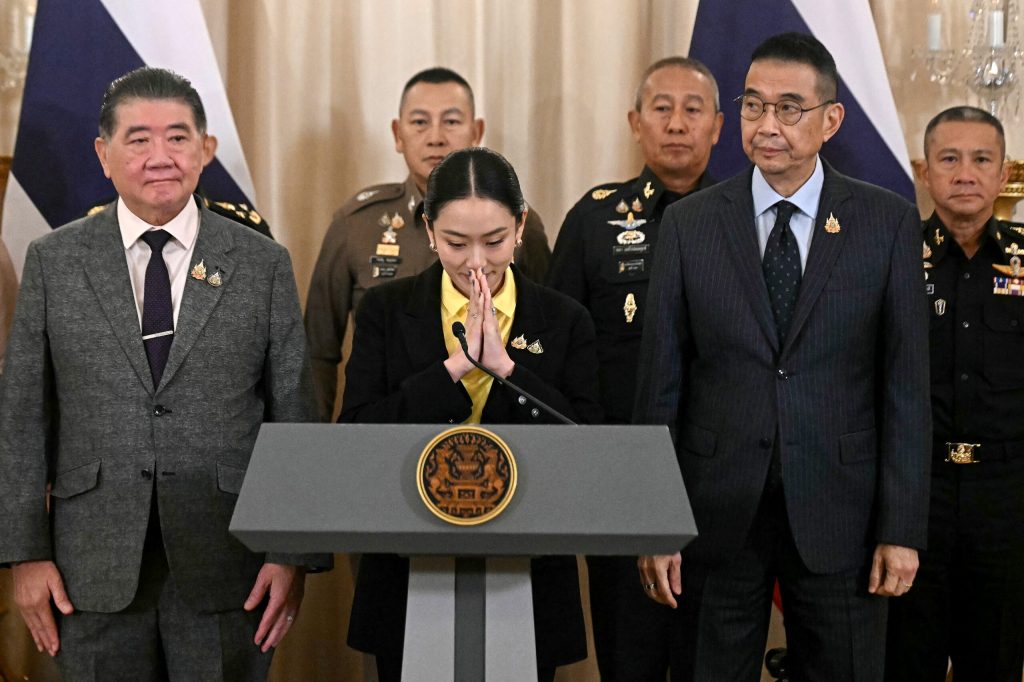
Anutin Charnvirakul of the Bhumjaithai Party assumed the premiership following the removal of Paetongtarn, though his mandate is limited by a tenuous alliance with the opposition People’s Party. This agreement necessitates a general election in the first half of 2026, currently scheduled for February 8th, which will feature a tripartite contest between the Bhumjaithai, Pheu Thai, and People’s parties alongside a constitutional referendum.
These political maneuvers occur against a backdrop of mounting economic anxiety; Thailand’s 2025 GDP growth stalled at 2.0%, hampered by aggressive 19% US trade tariffs and a tourism sector that saw a 10% drop in visitors. Fitch Ratings downgraded Thailand’s ratings to a negative outlook. The primary fear of the local businesses is that continued political instability will paralyze government spending and stall the essential stimulus measures, including the “Quick Big Win” scheme that businesses desperately need.
Will Thai policymakers be able to effectively manage the geopolitical mix and manage the simmering troubles the country faces in 2026?
Yes, in the short term, Thailand remains a competitive destination for foreign investment due to its strategic geography, established administrative framework, and pro-business regulatory environment. However, escalating global geopolitical tensions mean the country cannot afford stagnation. To maintain this momentum, the incoming administration must prioritize political stability and national security while providing clear policy frameworks. Such measures are essential for ensuring Thailand capitalizes on emerging growth opportunities and secures its role in the next phase of global technological development.
 Aurora Insights
Leave a comment